


CO-PROSPERITY FORCE
社會共榮力
CO-PROSPERITY FORCE
- Home
- Co-Prosperity Force
- Promotion of Occupational Safety and Health
Occupational Safety and Health Management System
iST established the ISO 45001 Occupational Health and Safety Management System, which provides employees with a safe and reliable workplace and reduces the possibility of employee accidents and illnesses. Through the PDCA (Plan-Do-Check-Act) cycle, continuous improvement is pursued. Regular reviews of performance indicators are conducted in the Company's Occupational Safety and Health Committees and Environmental, Health and Safety Management Review Meetings, hoping that all units can work together to improve and promote safety, environmental protection and hygiene issues by working hard together.
iST passed the audit and verification of the ISO 45001 occupational safety and health management system on November 11, 2019, providing a safe working environment for the company's employees. 
Occupational Safety
To provide our employees with a high-quality work environment, iST is dedicated to promoting occupational safety risk management. We offer appropriate protection and operational controls to reduce health and safety risks, implementing the following management measures.
- Establishment of comprehensive access control throughout the premises
- Deployment of 24-hour security personnel with regular site patrols
- Personnel access control through card scanning
- Emergency alarms set up in high-risk areas
- CCTV surveillance systems at all entry and exit points
Appointment of Occupational Health and Safety Professionals
iST adheres to national regulations by appointing qualified occupational health and safety management personnel who possess the required certifications. These individuals undergo regular retraining to ensure the effective execution of occupational safety skills.
Relevant certifications and the number of personnel within the company:
Implementation of Various Equipment and Environmental Safety Management Policies
- Established guidelines for the use of protective equipment, ensuring that operational personnel are equipped with adequate protective gear.
- Formulated emergency response procedures, conducting drills every six months.
- Created an automatic safety and health inspection plan to regularly assess facility equipment within the premises.
- Developed guidelines for special hazardous operations such as hot work, elevated work, hoisting, and confined space operations. Engaging in such activities requires adherence to specified procedures.
- Conduct semiannually environmental monitoring of chemical and physical factors within the facility’s workspace.
- Perform annual inspections of fire equipment and report to relevant supervisory authorities.
Hazard Identification and Risk Assessment Management
To effectively identify and manage occupational safety and health risks that may arise during operational activities, products, and services, iST has established and implemented the "Hazard Identification, Risk Assessment, and Control Management Procedures". Each unit systematically identifies relevant hazard factors based on its specific operational characteristics and assesses their impact on personnel safety and health, serving as a basis for risk control and continuous improvement. Each department conducts annual hazard identification and risk assessment to comprehensively analyze 14 categories of occupational safety hazards and six categories of occupational health hazards. In 2025, a total of 1,031 operations were identified for occupational health and safety hazard factor assessments, with hierarchical management implemented based on hazard severity and occurrence probability. If the evaluation results identify acceptable risks, they are managed through measures such as awareness programs, labeling, and occupational safety and health training. If the results are determined to be unacceptable risks, they are prioritized for inclusion in departmental improvement items or annual management plans. In such cases, potential risks are progressively mitigated according to the hierarchy of controls—elimination, substitution, engineering controls, administrative controls, and personal protective equipment.
Furthermore, in the event of accidents or other non-routine situations, risk assessments are promptly reconducted to review the effectiveness of existing control measures and ensure continuous improvement. Relevant personnel also receive regular occupational safety and health training to enhance their professional expertise. Furthermore, the risk assessment content is reviewed and updated in response to changes in operational activities, product content, legal requirements, stakeholder opinions, or management goals, ensuring the effective operation of the overall occupational safety and health management system.
iST monitors the operating environment according to the frequency specified in the "Implementation Methods for Operating Environment Monitoring" and effectively utilizes sampling strategies to gradually understand the exposure of various types of operators, ensuring that workers are protected from various hazards. In 2025, a total of 67 chemical factors and 235 physical factors were monitored. Monitoring results were all in compliance with regulatory limits or permissible concentration standards.
The Company complies with occupational safety and health regulations. Should there be any risk of immediate danger in the workplace, the Company will order an immediate cessation of work and evacuate employees to a safe location. If an employee discovers an immediate danger while performing their duties, they may spontaneously cease operations and retreat to a safe location, provided that the safety of other workers is not compromised, and shall immediately report the matter to their direct supervisor. The Company shall not dismiss, transfer, withhold wages during work suspensions, or impose any other unfavorable treatment against employees.
Accident Investigation and Handling
To strengthen occupational safety and health management and prevent the recurrence of industrial accidents, the Company has established a robust industrial accident handling and investigation mechanism. This mechanism clearly defines procedures for accident reporting, investigation and analysis, improvement tracking, and compensation, ensuring that the root causes of accidents are identified and preventive measures are strictly implemented. The scope of application covers various types of occupational injuries, work-related accidents, traffic accidents, near misses, and false alarms. These are classified into major, medium, minor, and other categories based on the severity of the incident to facilitate hierarchical management.
In the event of an accident, priority is given to taking necessary first aid and rescue measures, and the occupational safety unit must be notified within the specified time limit. Major occupational accidents must be reported to the labor inspection agency within eight hours as required by law. For major, moderate, and minor accidents, the head of the unit where the accident occurred forms an investigation team comprising occupational safety personnel, relevant departments, and labor representatives to analyze the root causes and propose corrective and preventive measures, which are then submitted to the Occupational Safety and Health Committee for review. Relevant improvement measures must be completed within the specified timeframe, with the occupational safety unit continuously tracking implementation effectiveness to prevent the recurrence of similar accidents.
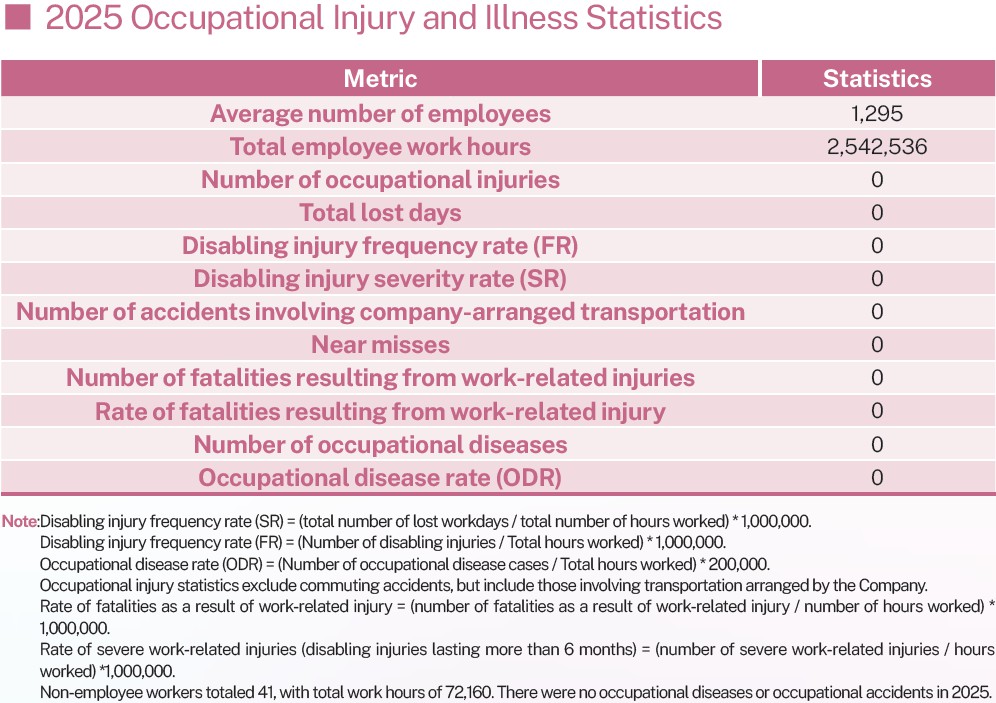
Furthermore, for occupational accidents determined to have occurred in the course of duty, we process official injury leave and insurance compensation in accordance with relevant laws and regulations to protect the rights and interests of employees. By institutionalizing accident investigation, reporting, and follow-up mechanisms, the Company continues to mitigate occupational safety and health risks, enhance workplace safety, and uphold the principle of continuous improvement. No occupational accidents occurred in 2025.
Crisis and Emergency Response Measures
iST has established a comprehensive emergency response management system and formulated the "Emergency Response Procedures", which apply to incidents that may affect personnel safety and the environment, such as fires, earthquakes, typhoons, and chemical or gas leaks. The response mechanism is categorized into three levels based on the severity of the incident, which are activated progressively—from on-site units and plant-wide response organizations to external professional agencies—to ensure timely and effective handling. The Company has clearly defined the roles and responsibilities of personnel at all levels and established emergency response teams for rescue, reporting, medical care, and logistics. Furthermore, the Company regularly conducts education and training and drills to enhance employees' response capabilities.
In 2025, iST conducted ten emergency response training sessions and drills, including self-defense fire brigade training and evacuation drills, earthquake emergency response drills, and civil defense training.
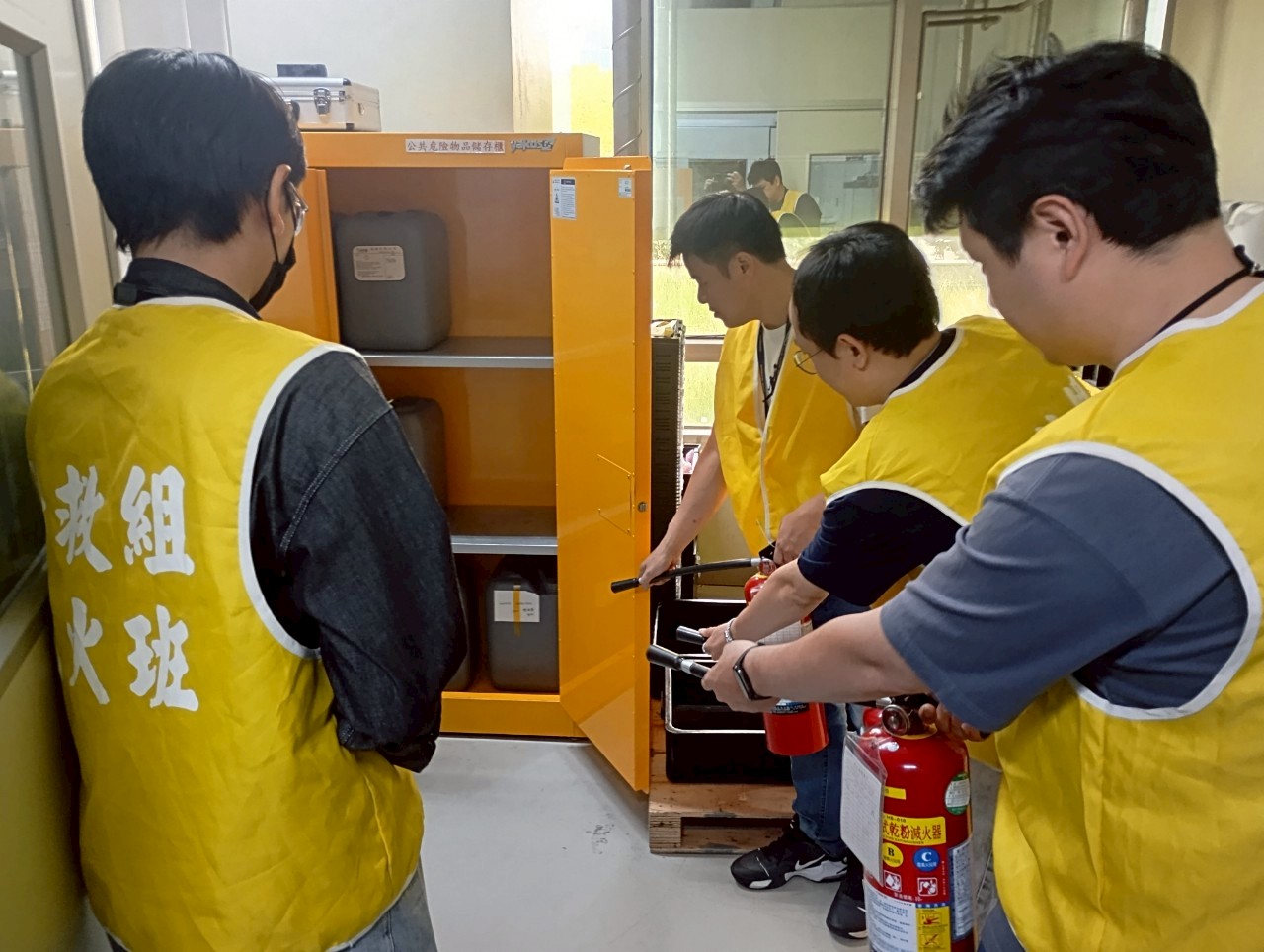 Fire Brigade Training
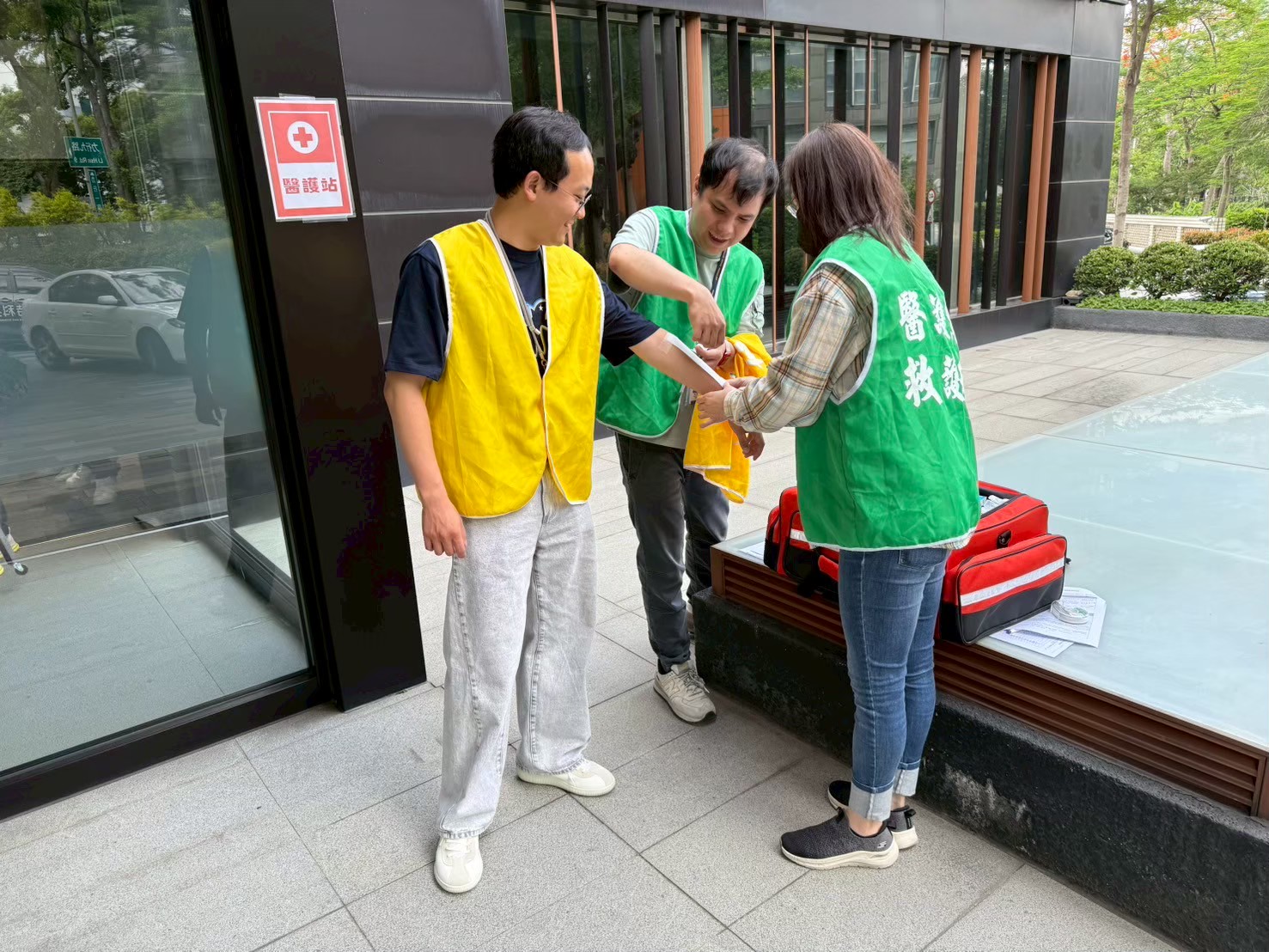 First Aid Team Training
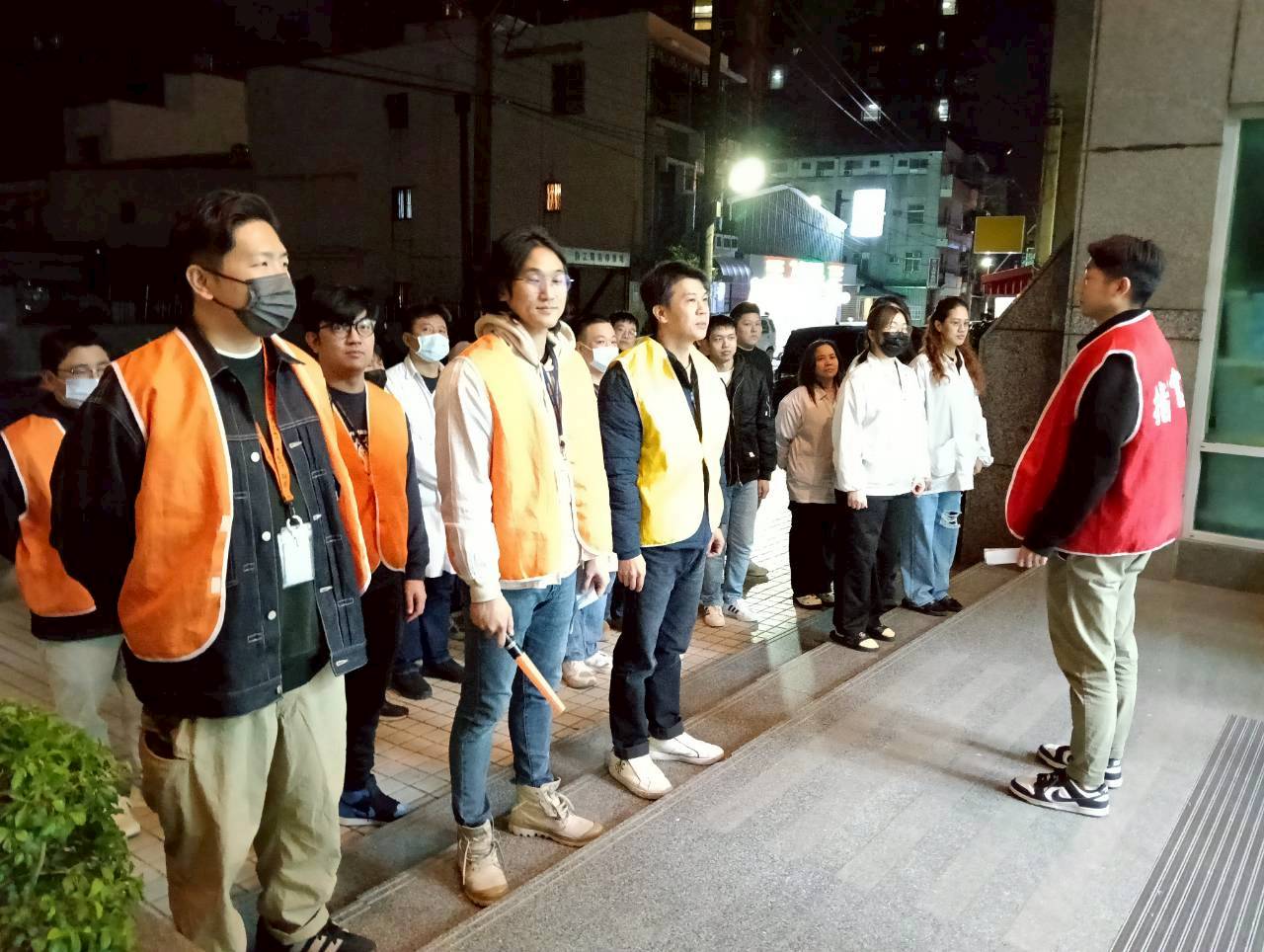 Night Shift Fire Drill
Worker Participation, Consultation, and Communication on Occupational Health and Safety
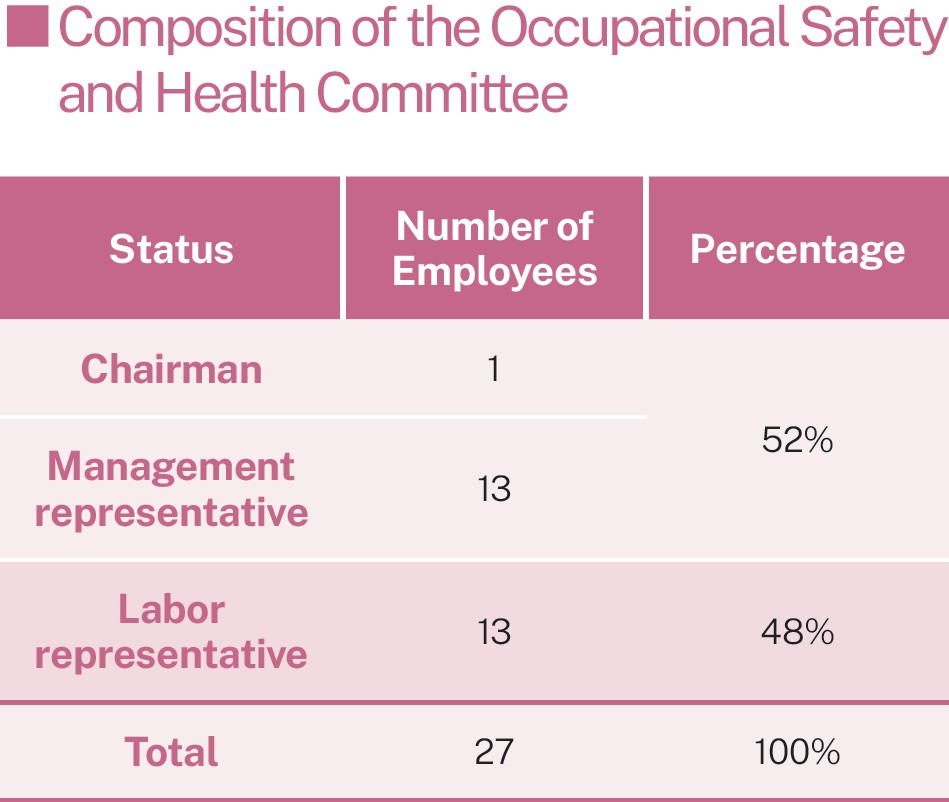
iST has established an Occupational Safety and Health Committee in accordance with the law as a formal mechanism for worker participation and consultation on occupational safety and health matters. The Committee consists of one chairman, 13 management representatives, and 13 labor representatives. Labor representatives account for more than one-third of the total membership, which complies with relevant regulations. Through regular committee meetings, labor representatives participate in and consult on workplace safety, operational risks, accident prevention, and improvement measures. Relevant resolutions are continuously tracked to ensure the effective implementation of management measures.
In addition to the Occupational Safety and Health Committee, the Company has established various communication and consultation channels to encourage worker participation in occupational safety and health management during daily operations. These initiatives include exchanging worker opinions through labor-management meetings, discussing operational risks and improvement needs in internal departmental meetings, and providing channels for employees to directly report or consult on relevant issues with supervisors, occupational safety units, or management units. Through the above mechanisms, we ensure
that workers can participate, express their opinions, and receive appropriate responses without fear of reprisal or adverse impacts.
Through institutionalized participation, consultation, and communication mechanisms, iST has continuously enhanced the transparency of occupational safety and health management and the level of employee participation. By incorporating labor feedback into risk identification and improvement processes, the Company has implemented the continuous improvement of occupational safety and health.
Occupational Safety and Health Training
iST prioritizes employee safety and health. Through a comprehensive occupational safety and health training system, we ensure that our personnel possess the professional competencies necessary to perform their duties while complying with relevant regulations and the Company's long-term human resource development goals. Based on the "Environmental Safety Education and Training Guidelines", the Company plans tiered training for new hires, employees undergoing job changes, and personnel in specific roles. The training covers occupational safety and health laws and regulations, hazard identification, emergency response, and general knowledge of fire safety and first aid to strengthen employees' risk awareness and response capabilities.
Personnel engaged in specific operations involving organic solvents, specific chemical substances, ionizing radiation, and other hazards are arranged to receive training at institutions approved by the competent authority in accordance with the law. These personnel must obtain the necessary certifications and complete retraining within specified timeframes to ensure operational safety. Furthermore, various in-house training sessions are provided in accordance with laws, regulations, and internal management requirements. These sessions are centrally planned and executed by dedicated units, with comprehensive training records maintained.

Contractor Safety Management
The Company prioritizes safety, health, and environmental management for contractors during the execution of projects and business operations. To mitigate occupational hazard risks, prevent environmental pollution, and ensure the safety of personnel and assets, the Company has established a comprehensive "Contractor Safety, Health, and Environmental Management System" applicable to all contractors and subcontractors. Through institutionalized management, we require contractors to comply with relevant company procedures before entering our sites, fulfilling their safety and environmental responsibilities to jointly maintain the safety of the plant area.
Prior to awarding engineering or business contracts, the engineering or business management department conducts hazard identification and risk assessment, and completes the signing of safety hazard notification documents to ensure that contractors fully understand the scope of work, potential hazards, and necessary protective measures. All construction personnel entering the plant must undergo safety induction training and obtain a safety training certificate. For specialized operations such as hot work, confined space entry, or lifting, work permits must be applied for in accordance with regulations, and work may only commence once safety has been verified.
During the construction period, the Company's site supervisors and the Environmental Health and Safety (EHS) unit will conduct on-site supervision and unscheduled audits to ensure that contractors implement safety and health management, wear necessary protective equipment, comply with facility access controls, and properly dispose of construction waste. If any violation of regulations or any situation endangering safety, health, or environmental protection is identified, the Company may demand an immediate work stoppage and require improvements or impose penalties in accordance with the reward and punishment regulations. In the event of an accident, established emergency response and accident investigation mechanisms are triggered to ensure prompt reporting, handling, and review, thereby preventing recurrence.
By implementing a robust contractor management system and cross-departmental collaboration mechanisms, the Company continues to strengthen supply chain safety, environmental protection, and risk management, demonstrating its commitment to employee safety, environmental sustainability, and corporate social responsibility.
No occupational diseases or occupational accidents occurred among contractors in 2025.
Occupational Health Management
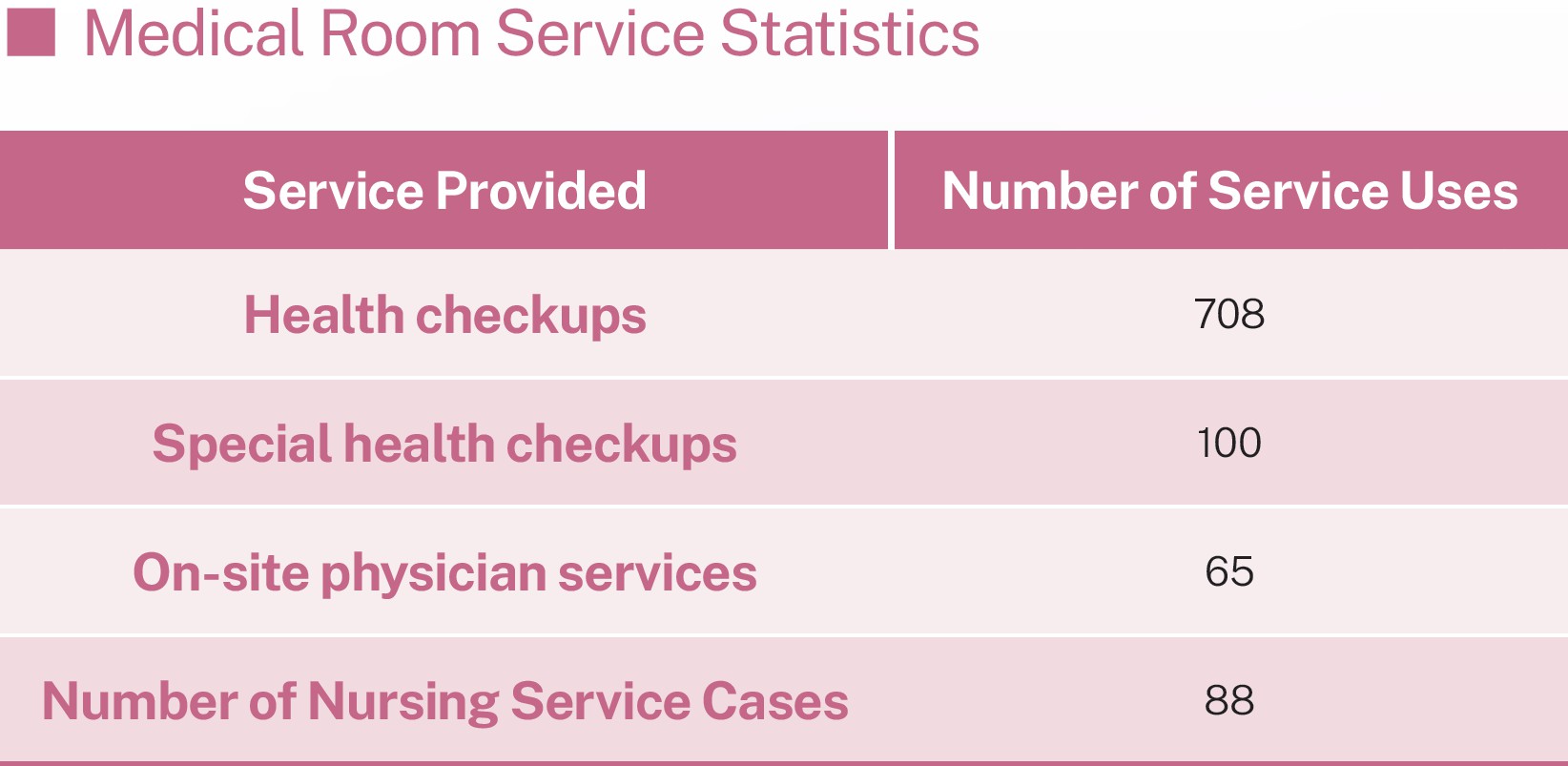
iST has established a medical room to manage health-related affairs. In accordance with regulations, we have hired dedicated nurses, general practitioners, and occupational medicine specialists to provide regular on-site services. These professionals care for the physical and mental well-being of our colleagues through interviews and site visits, organize health promotion activities to raise health awareness. Case management has also been established for special or major illnesses and occupational injuries and diseases to ensure continuous care and follow-up.
iST organizes "labor health checkups" and "special health checkups" annually. These health checkup arrangements exceed regulatory requirements; all employees are eligible for a check-up every two years. To provide more comprehensive services, all iST employees undergo examinations at hospitals, with checkup items exceeding statutory requirements. Following the examinations, the Company holds briefing sessions, compiles and analyzes the data, and identifies high-risk groups based on specific criteria. We then conduct health follow-ups and health consultations via telephone or in-person interviews, providing individualized health education to achieve the goal of "learly disease prevention". Non-employee workers are required to undergo a "labor health checkup" upon enrollment in accordance with legal regulations. Health education advice is subsequently provided based on any abnormalities identified in their health checkup reports.
During the annual health checkup, iST provides special health checkups for employees engaged in special hazards. A doctor is arranged to provide on-site services and interviews for the employees who are classified into Level 2 Management. For employees classified under Level 3 Management, we assist them in arranging follow-up medical examinations at hospitals, arrange medical consultations, provide care and health education, and recommend appropriate job adjustments. There were no occupational disease cases in 2025.
iST prioritizes the physical and mental health of its employees. To safeguard employee rights, the occupational safety and health units follow the "Guidelines for the Prevention of Unlawful Infringement in the Performance of Duties" to assess OHS impacts across various social aspects, including physical and mental disorder, verbal abuse, sexual discrimination, and sexual harassment at the workplace. This ensures that countermeasures are implemented proactively.
We act in compliance with personal data protection regulations. In consideration that the checkup data of the employees are personal, the Company implements retention, processing and application of relevant data in accordance with the Regulations of the Labor Health Protection, and does not use them for specific purposes without the written consent of the labor.
Maternal Health Risk Assessment
iST prioritizes maternal health protection. For female employees who are pregnant or within one year postpartum, we conduct hazard assessments and control, physician consultations and guidance, risk-level management, work suitability arrangements, and other relevant measures. Employees eligible for maternal health protection are classified into health risk levels by resident physicians based on their professional expertise. Management is conducted across three hazard levels; for Level 2 and Level 3 management, hazard control and administrative measures are implemented. These cases are interviewed and continuously tracked by the on-site nurse and on-site physicians. In 2025, work suitability assessments under the maternal health protection program were completed for 14 employees. All assessment results were classified as Level 1 management, and the regular prenatal checkup rate reached 100%. No employees required adjustments to or reductions in working hours, and no employees required job reassignment.
Prevention of Ergonomic Hazards and Overwork-Related Health Problems
To manage employee ergonomic hazards and abnormal workloads, iST has established relevant preventive work instructions. Through questionnaires, we identify risks of ergonomic hazards, musculoskeletal injuries, and abnormal workload hazards resulting from workload, working postures, and repetitive tasks. If the survey confirms that these risks are work-related, the plant nurse and occupational physicians will assist in advanced improvement plans until the cases are closed, following the prevention plan process. In 2025, a total of 517 employees participated in screenings for groups at high risk of ergonomic hazards and health conditions induced by abnormal workloads. One employee was recommended for a physician consultation. An on-site occupational health physician consultation and follow-up were arranged, and ongoing care continues to be provided.
Comprehensive Physical and Mental Well-being Support Mechanism: Employee Assistance Programs (EAPs)
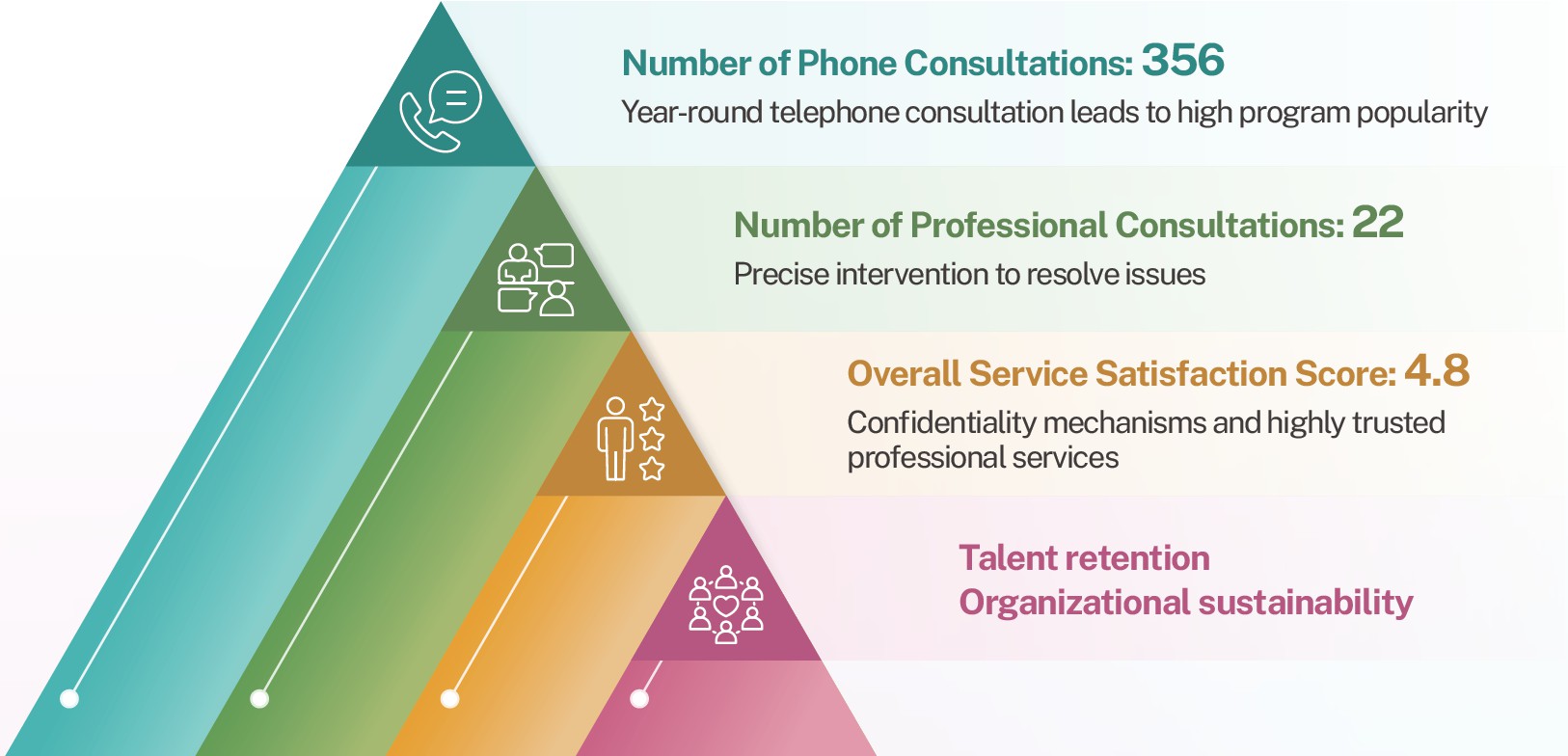
iST considers the physical and mental health of our employees to be the cornerstone of sustainable corporate operations. Beyond fostering a workplace atmosphere that promotes work-life balance, we actively implement a "Work-Life Integration" talent retention strategy to enhance overall work-life satisfaction and career fulfillment. In 2024, we officially introduced professional Employee Assistance Programs (EAPs), engaging external professional institutions to provide support services covering diverse dimensions, including workplace, psychological, family, and interpersonal management.
Performance Results:
- Breadth of Service:A total of 356 phone consultations and 22 individual counseling sessions were provided. Through these diverse channels, we effectively addressed employees' needs and stabilized organizational performance.
- Employee Trust:Service satisfaction reached 4.8 out of 5 points. Feedback from colleagues indicated a very high willingness to willingness to use the service again, demonstrating that this program has become a key indicator of employee cohesion and a sense of security in the workplace.
Occupational Safety and Health Management System
iST established the ISO 45001 Occupational Health and Safety Management System, which provides employees with a safe and reliable workplace and reduces the possibility of employee accidents and illnesses. Through the PDCA (Plan-Do-Check-Act) cycle, continuous improvement is pursued. Regular reviews of performance indicators are conducted in the Company's Occupational Safety and Health Committees and Environmental, Health and Safety Management Review Meetings, hoping that all units can work together to improve and promote safety, environmental protection and hygiene issues by working hard together.
iST passed the audit and verification of the ISO 45001 occupational safety and health management system on November 11, 2019, providing a safe working environment for the company's employees.
Occupational Safety
To provide our employees with a high-quality work environment, iST is dedicated to promoting occupational safety risk management. We offer appropriate protection and operational controls to reduce health and safety risks, implementing the following management measures.
- Establishment of comprehensive access control throughout the premises
- Deployment of 24-hour security personnel with regular site patrols
- Personnel access control through card scanning
- Emergency alarms set up in high-risk areas
- CCTV surveillance systems at all entry and exit points
Appointment of Occupational Health and Safety Professionals
iST adheres to national regulations by appointing qualified occupational health and safety management personnel who possess the required certifications. These individuals undergo regular retraining to ensure the effective execution of occupational safety skills.
Relevant certifications and the number of personnel within the company:
Implementation of Various Equipment and Environmental Safety Management Policies
- Established guidelines for the use of protective equipment, ensuring that operational personnel are equipped with adequate protective gear.
- Formulated emergency response procedures, conducting drills every six months.
- Created an automatic safety and health inspection plan to regularly assess facility equipment within the premises.
- Developed guidelines for special hazardous operations such as hot work, elevated work, hoisting, and confined space operations. Engaging in such activities requires adherence to specified procedures.
- Conduct semiannually environmental monitoring of chemical and physical factors within the facility’s workspace.
- Perform annual inspections of fire equipment and report to relevant supervisory authorities.
Hazard Identification and Risk Assessment Management
To effectively identify and manage occupational safety and health risks that may arise during operational activities, products, and services, iST has established and implemented the "Hazard Identification, Risk Assessment, and Control Management Procedures". Each unit systematically identifies relevant hazard factors based on its specific operational characteristics and assesses their impact on personnel safety and health, serving as a basis for risk control and continuous improvement. Each department conducts annual hazard identification and risk assessment to comprehensively analyze 14 categories of occupational safety hazards and six categories of occupational health hazards. In 2025, a total of 1,031 operations were identified for occupational health and safety hazard factor assessments, with hierarchical management implemented based on hazard severity and occurrence probability. If the evaluation results identify acceptable risks, they are managed through measures such as awareness programs, labeling, and occupational safety and health training. If the results are determined to be unacceptable risks, they are prioritized for inclusion in departmental improvement items or annual management plans. In such cases, potential risks are progressively mitigated according to the hierarchy of controls—elimination, substitution, engineering controls, administrative controls, and personal protective equipment.
Furthermore, in the event of accidents or other non-routine situations, risk assessments are promptly reconducted to review the effectiveness of existing control measures and ensure continuous improvement. Relevant personnel also receive regular occupational safety and health training to enhance their professional expertise. Furthermore, the risk assessment content is reviewed and updated in response to changes in operational activities, product content, legal requirements, stakeholder opinions, or management goals, ensuring the effective operation of the overall occupational safety and health management system.
iST monitors the operating environment according to the frequency specified in the "Implementation Methods for Operating Environment Monitoring" and effectively utilizes sampling strategies to gradually understand the exposure of various types of operators, ensuring that workers are protected from various hazards. In 2025, a total of 67 chemical factors and 235 physical factors were monitored. Monitoring results were all in compliance with regulatory limits or permissible concentration standards.
The Company complies with occupational safety and health regulations. Should there be any risk of immediate danger in the workplace, the Company will order an immediate cessation of work and evacuate employees to a safe location. If an employee discovers an immediate danger while performing their duties, they may spontaneously cease operations and retreat to a safe location, provided that the safety of other workers is not compromised, and shall immediately report the matter to their direct supervisor. The Company shall not dismiss, transfer, withhold wages during work suspensions, or impose any other unfavorable treatment against employees.
Accident Investigation and Handling
To strengthen occupational safety and health management and prevent the recurrence of industrial accidents, the Company has established a robust industrial accident handling and investigation mechanism. This mechanism clearly defines procedures for accident reporting, investigation and analysis, improvement tracking, and compensation, ensuring that the root causes of accidents are identified and preventive measures are strictly implemented. The scope of application covers various types of occupational injuries, work-related accidents, traffic accidents, near misses, and false alarms. These are classified into major, medium, minor, and other categories based on the severity of the incident to facilitate hierarchical management.
In the event of an accident, priority is given to taking necessary first aid and rescue measures, and the occupational safety unit must be notified within the specified time limit. Major occupational accidents must be reported to the labor inspection agency within eight hours as required by law. For major, moderate, and minor accidents, the head of the unit where the accident occurred forms an investigation team comprising occupational safety personnel, relevant departments, and labor representatives to analyze the root causes and propose corrective and preventive measures, which are then submitted to the Occupational Safety and Health Committee for review. Relevant improvement measures must be completed within the specified timeframe, with the occupational safety unit continuously tracking implementation effectiveness to prevent the recurrence of similar accidents.
Furthermore, for occupational accidents determined to have occurred in the course of duty, we process official injury leave and insurance compensation in accordance with relevant laws and regulations to protect the rights and interests of employees. By institutionalizing accident investigation, reporting, and follow-up mechanisms, the Company continues to mitigate occupational safety and health risks, enhance workplace safety, and uphold the principle of continuous improvement. No occupational accidents occurred in 2025.
Crisis and Emergency Response Measures
iST has established a comprehensive emergency response management system and formulated the "Emergency Response Procedures", which apply to incidents that may affect personnel safety and the environment, such as fires, earthquakes, typhoons, and chemical or gas leaks. The response mechanism is categorized into three levels based on the severity of the incident, which are activated progressively—from on-site units and plant-wide response organizations to external professional agencies—to ensure timely and effective handling. The Company has clearly defined the roles and responsibilities of personnel at all levels and established emergency response teams for rescue, reporting, medical care, and logistics. Furthermore, the Company regularly conducts education and training and drills to enhance employees' response capabilities.
In 2025, iST conducted ten emergency response training sessions and drills, including self-defense fire brigade training and evacuation drills, earthquake emergency response drills, and civil defense training.
Fire Brigade TrainingFirst Aid Team TrainingNight Shift Fire DrillWorker Participation, Consultation, and Communication on Occupational Health and Safety
iST has established an Occupational Safety and Health Committee in accordance with the law as a formal mechanism for worker participation and consultation on occupational safety and health matters. The Committee consists of one chairman, 13 management representatives, and 13 labor representatives. Labor representatives account for more than one-third of the total membership, which complies with relevant regulations. Through regular committee meetings, labor representatives participate in and consult on workplace safety, operational risks, accident prevention, and improvement measures. Relevant resolutions are continuously tracked to ensure the effective implementation of management measures.
In addition to the Occupational Safety and Health Committee, the Company has established various communication and consultation channels to encourage worker participation in occupational safety and health management during daily operations. These initiatives include exchanging worker opinions through labor-management meetings, discussing operational risks and improvement needs in internal departmental meetings, and providing channels for employees to directly report or consult on relevant issues with supervisors, occupational safety units, or management units. Through the above mechanisms, we ensure
that workers can participate, express their opinions, and receive appropriate responses without fear of reprisal or adverse impacts.
Through institutionalized participation, consultation, and communication mechanisms, iST has continuously enhanced the transparency of occupational safety and health management and the level of employee participation. By incorporating labor feedback into risk identification and improvement processes, the Company has implemented the continuous improvement of occupational safety and health.
Occupational Safety and Health Training
iST prioritizes employee safety and health. Through a comprehensive occupational safety and health training system, we ensure that our personnel possess the professional competencies necessary to perform their duties while complying with relevant regulations and the Company's long-term human resource development goals. Based on the "Environmental Safety Education and Training Guidelines", the Company plans tiered training for new hires, employees undergoing job changes, and personnel in specific roles. The training covers occupational safety and health laws and regulations, hazard identification, emergency response, and general knowledge of fire safety and first aid to strengthen employees' risk awareness and response capabilities.
Personnel engaged in specific operations involving organic solvents, specific chemical substances, ionizing radiation, and other hazards are arranged to receive training at institutions approved by the competent authority in accordance with the law. These personnel must obtain the necessary certifications and complete retraining within specified timeframes to ensure operational safety. Furthermore, various in-house training sessions are provided in accordance with laws, regulations, and internal management requirements. These sessions are centrally planned and executed by dedicated units, with comprehensive training records maintained.
Contractor Safety Management
The Company prioritizes safety, health, and environmental management for contractors during the execution of projects and business operations. To mitigate occupational hazard risks, prevent environmental pollution, and ensure the safety of personnel and assets, the Company has established a comprehensive "Contractor Safety, Health, and Environmental Management System" applicable to all contractors and subcontractors. Through institutionalized management, we require contractors to comply with relevant company procedures before entering our sites, fulfilling their safety and environmental responsibilities to jointly maintain the safety of the plant area.
Prior to awarding engineering or business contracts, the engineering or business management department conducts hazard identification and risk assessment, and completes the signing of safety hazard notification documents to ensure that contractors fully understand the scope of work, potential hazards, and necessary protective measures. All construction personnel entering the plant must undergo safety induction training and obtain a safety training certificate. For specialized operations such as hot work, confined space entry, or lifting, work permits must be applied for in accordance with regulations, and work may only commence once safety has been verified.
During the construction period, the Company's site supervisors and the Environmental Health and Safety (EHS) unit will conduct on-site supervision and unscheduled audits to ensure that contractors implement safety and health management, wear necessary protective equipment, comply with facility access controls, and properly dispose of construction waste. If any violation of regulations or any situation endangering safety, health, or environmental protection is identified, the Company may demand an immediate work stoppage and require improvements or impose penalties in accordance with the reward and punishment regulations. In the event of an accident, established emergency response and accident investigation mechanisms are triggered to ensure prompt reporting, handling, and review, thereby preventing recurrence.
By implementing a robust contractor management system and cross-departmental collaboration mechanisms, the Company continues to strengthen supply chain safety, environmental protection, and risk management, demonstrating its commitment to employee safety, environmental sustainability, and corporate social responsibility.
No occupational diseases or occupational accidents occurred among contractors in 2025.
Occupational Health Management
iST has established a medical room to manage health-related affairs. In accordance with regulations, we have hired dedicated nurses, general practitioners, and occupational medicine specialists to provide regular on-site services. These professionals care for the physical and mental well-being of our colleagues through interviews and site visits, organize health promotion activities to raise health awareness. Case management has also been established for special or major illnesses and occupational injuries and diseases to ensure continuous care and follow-up.
iST organizes "labor health checkups" and "special health checkups" annually. These health checkup arrangements exceed regulatory requirements; all employees are eligible for a check-up every two years. To provide more comprehensive services, all iST employees undergo examinations at hospitals, with checkup items exceeding statutory requirements. Following the examinations, the Company holds briefing sessions, compiles and analyzes the data, and identifies high-risk groups based on specific criteria. We then conduct health follow-ups and health consultations via telephone or in-person interviews, providing individualized health education to achieve the goal of "learly disease prevention". Non-employee workers are required to undergo a "labor health checkup" upon enrollment in accordance with legal regulations. Health education advice is subsequently provided based on any abnormalities identified in their health checkup reports.
During the annual health checkup, iST provides special health checkups for employees engaged in special hazards. A doctor is arranged to provide on-site services and interviews for the employees who are classified into Level 2 Management. For employees classified under Level 3 Management, we assist them in arranging follow-up medical examinations at hospitals, arrange medical consultations, provide care and health education, and recommend appropriate job adjustments. There were no occupational disease cases in 2025.
iST prioritizes the physical and mental health of its employees. To safeguard employee rights, the occupational safety and health units follow the "Guidelines for the Prevention of Unlawful Infringement in the Performance of Duties" to assess OHS impacts across various social aspects, including physical and mental disorder, verbal abuse, sexual discrimination, and sexual harassment at the workplace. This ensures that countermeasures are implemented proactively.
We act in compliance with personal data protection regulations. In consideration that the checkup data of the employees are personal, the Company implements retention, processing and application of relevant data in accordance with the Regulations of the Labor Health Protection, and does not use them for specific purposes without the written consent of the labor.
Maternal Health Risk Assessment
iST prioritizes maternal health protection. For female employees who are pregnant or within one year postpartum, we conduct hazard assessments and control, physician consultations and guidance, risk-level management, work suitability arrangements, and other relevant measures. Employees eligible for maternal health protection are classified into health risk levels by resident physicians based on their professional expertise. Management is conducted across three hazard levels; for Level 2 and Level 3 management, hazard control and administrative measures are implemented. These cases are interviewed and continuously tracked by the on-site nurse and on-site physicians. In 2025, work suitability assessments under the maternal health protection program were completed for 14 employees. All assessment results were classified as Level 1 management, and the regular prenatal checkup rate reached 100%. No employees required adjustments to or reductions in working hours, and no employees required job reassignment.
Prevention of Ergonomic Hazards and Overwork-Related Health Problems
To manage employee ergonomic hazards and abnormal workloads, iST has established relevant preventive work instructions. Through questionnaires, we identify risks of ergonomic hazards, musculoskeletal injuries, and abnormal workload hazards resulting from workload, working postures, and repetitive tasks. If the survey confirms that these risks are work-related, the plant nurse and occupational physicians will assist in advanced improvement plans until the cases are closed, following the prevention plan process. In 2025, a total of 517 employees participated in screenings for groups at high risk of ergonomic hazards and health conditions induced by abnormal workloads. One employee was recommended for a physician consultation. An on-site occupational health physician consultation and follow-up were arranged, and ongoing care continues to be provided.
Comprehensive Physical and Mental Well-being Support Mechanism: Employee Assistance Programs (EAPs)
iST considers the physical and mental health of our employees to be the cornerstone of sustainable corporate operations. Beyond fostering a workplace atmosphere that promotes work-life balance, we actively implement a "Work-Life Integration" talent retention strategy to enhance overall work-life satisfaction and career fulfillment. In 2024, we officially introduced professional Employee Assistance Programs (EAPs), engaging external professional institutions to provide support services covering diverse dimensions, including workplace, psychological, family, and interpersonal management.
Performance Results:
- Breadth of Service:A total of 356 phone consultations and 22 individual counseling sessions were provided. Through these diverse channels, we effectively addressed employees' needs and stabilized organizational performance.
- Employee Trust:Service satisfaction reached 4.8 out of 5 points. Feedback from colleagues indicated a very high willingness to willingness to use the service again, demonstrating that this program has become a key indicator of employee cohesion and a sense of security in the workplace.
